Should You Insulate Before Fitting a Heat Pump? A Bristol Priority List
Last reviewed: 2 October 2026
You don't need a perfectly insulated house to fit a heat pump, but some upgrades are cheap and make the system smaller and cheaper to run. Here they are in priority order for Bristol's housing, with the solid-wall question answered honestly.
Do you have to insulate first?
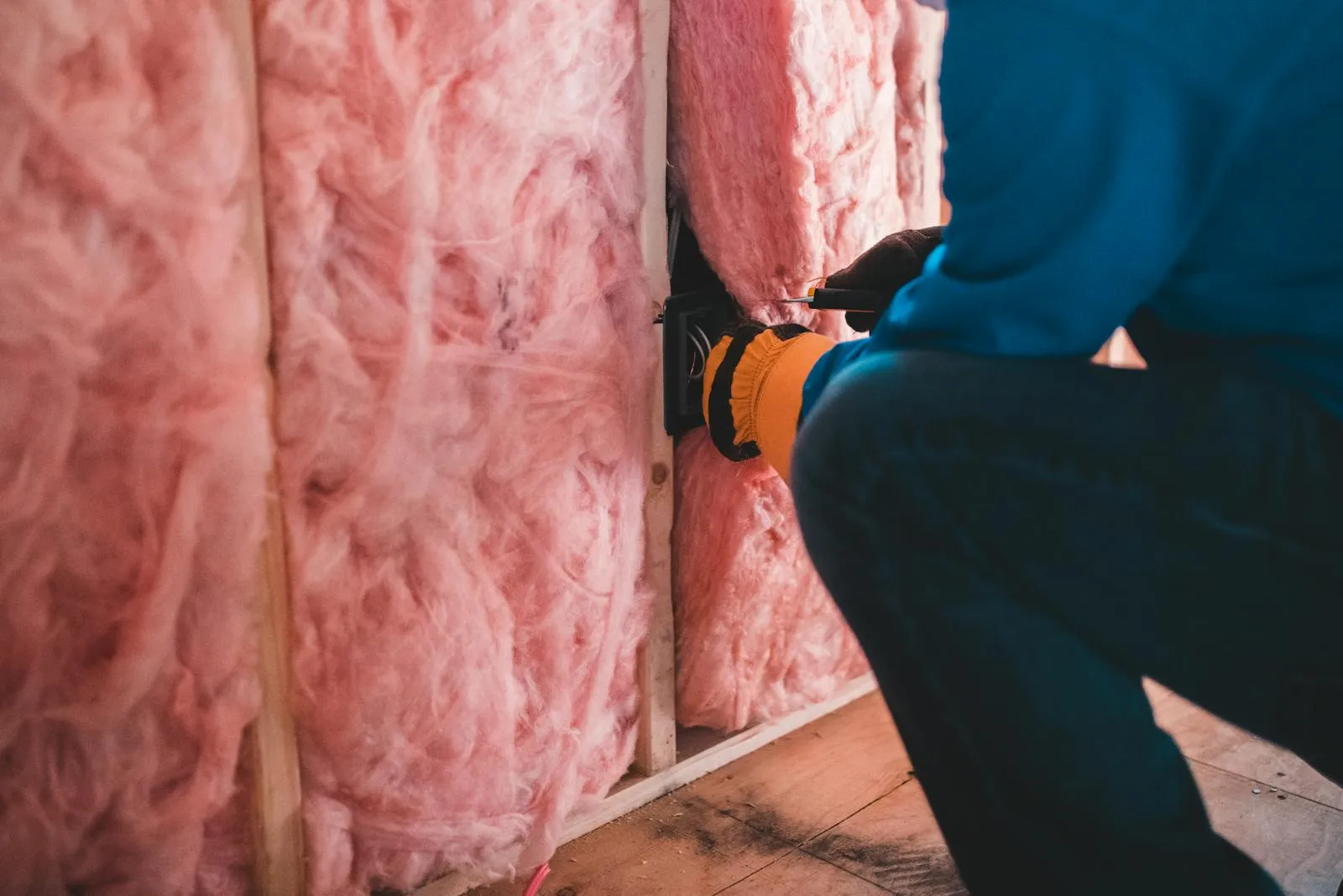
No. Since April 2026, the Boiler Upgrade Scheme no longer requires an EPC free of insulation recommendations, and a heat pump can be designed for a house as it is. But every kilowatt of heat loss you remove before installation means a smaller heat pump, fewer radiator upgrades and lower running costs for twenty years. Some upgrades cost very little for what they give back.
The trick is doing the cheap, high-value work first and not letting expensive work hold up the heat pump.
The Bristol priority list
Ranked by value for money in a typical Bristol home.
1. Draught-proofing — £100–£600
Old Bristol houses leak air through sash windows, gaps in floorboards, unused chimneys, letterboxes and loft hatches. Sealing them is the cheapest heat-loss reduction there is, and you can do much of it yourself.
- Brush or compression strips on sash windows
- Sealing gaps between floorboards and skirting
- A chimney balloon or cap on fireplaces you don’t use (keep some ventilation)
- Draught-excluding letterbox and loft hatch seal
2. Loft insulation to 270 mm — £400–£1,200
If your loft has less than about 270 mm of insulation, topping it up is the next best step. In a Bristol terrace with an accessible loft, it’s a one-day job.
3. Suspended floor insulation — £800–£2,500
Most Victorian and Edwardian homes in Bishopston, Redland, Southville and elsewhere have suspended timber ground floors. Insulating between the joists, from below if there’s a cellar or by lifting boards, cuts cold draughts at floor level and makes ground-floor rooms noticeably more comfortable.
4. Cavity wall insulation, if you have cavities — £500–£1,500
Interwar and later homes in Westbury-on-Trym, Henleaze, Horfield and the post-war estates often have cavity walls. If they’re unfilled, filling them is cheap and effective. Have the walls checked first: west-facing walls exposed to Bristol’s driving rain need the right product and a careful installer.
5. Windows — varies widely
Replacing single glazing helps, but it’s expensive. In conservation areas, where original sashes usually have to stay, well-fitted secondary glazing is often the practical answer.
6. Solid-wall insulation — £8,000–£20,000+
This is the big one, and the honest advice is: don’t let it hold up your heat pump.
The solid-wall question
A large share of Bristol’s older homes have solid walls: Bath stone and Pennant sandstone in Clifton, Cotham and Kingsdown, solid brick across the Victorian terraces. Insulating them is possible but:
- External wall insulation changes the look of the house and is rarely acceptable in Bristol’s 33 conservation areas, which cover around 30% of the city.
- Internal wall insulation loses room space, disturbs plaster and cornicing, and must be done with breathable materials to avoid trapping moisture in old stone.
- The cost is high compared with the running-cost saving.
A well-designed heat pump with correctly sized radiators heats a solid-walled Bristol house comfortably without wall insulation. Treat wall insulation as a future project, perhaps when you’re redecorating a room anyway, not a prerequisite.
Old stone needs to breathe
If you do insulate, or repair walls before installation, use materials that let moisture escape: lime plaster, breathable insulation boards and mineral paints. Sealing old stone or soft brick with cement render or plastic-based paints can trap moisture and cause damp. That’s a fabric issue, not a heat pump issue, but it matters in a city with as much historic stone as Bristol.
Free help for some households
Households on lower incomes in privately owned homes with an EPC rating of D to G may get insulation, and possibly a heat pump, free through the Warm Homes: Local Grant, delivered in Bristol through Bristol City Leap’s Bright Green Homes project. The Boiler Upgrade Scheme itself doesn’t pay for insulation.
ECO4, which used to fund insulation through energy suppliers, closed to new applications on 31 March 2026.
The order of work
- Draught-proofing and loft insulation (do these now)
- Heat pump survey: the installer measures heat loss with those improvements in place
- Floor or cavity insulation if the survey shows it’s worthwhile
- Heat pump installation
- Solid-wall insulation later, if ever
See also: heat pumps in Victorian and Georgian homes and what a heat loss survey involves.
See what a heat pump would look like in your Bristol home
The mechanism is the same in every UK home; the design is specific to yours. Our team carries out a free in-home survey including a full room-by-room heat-loss calculation, identifies the system size and configuration that fits your property, and provides a written quote with the £7,500 BUS grant already deducted.
You'll see the actual figure you'd pay — not an estimate — and the projected efficiency for your specific install.