Heat Pumps in Bristol's Victorian and Georgian Homes
Last reviewed: 2 October 2026
Bristol's period housing is built from stone and solid brick, often on steep streets and inside conservation areas. Heat pumps work well in these homes when the design accounts for that. Here is what changes and what to ask.
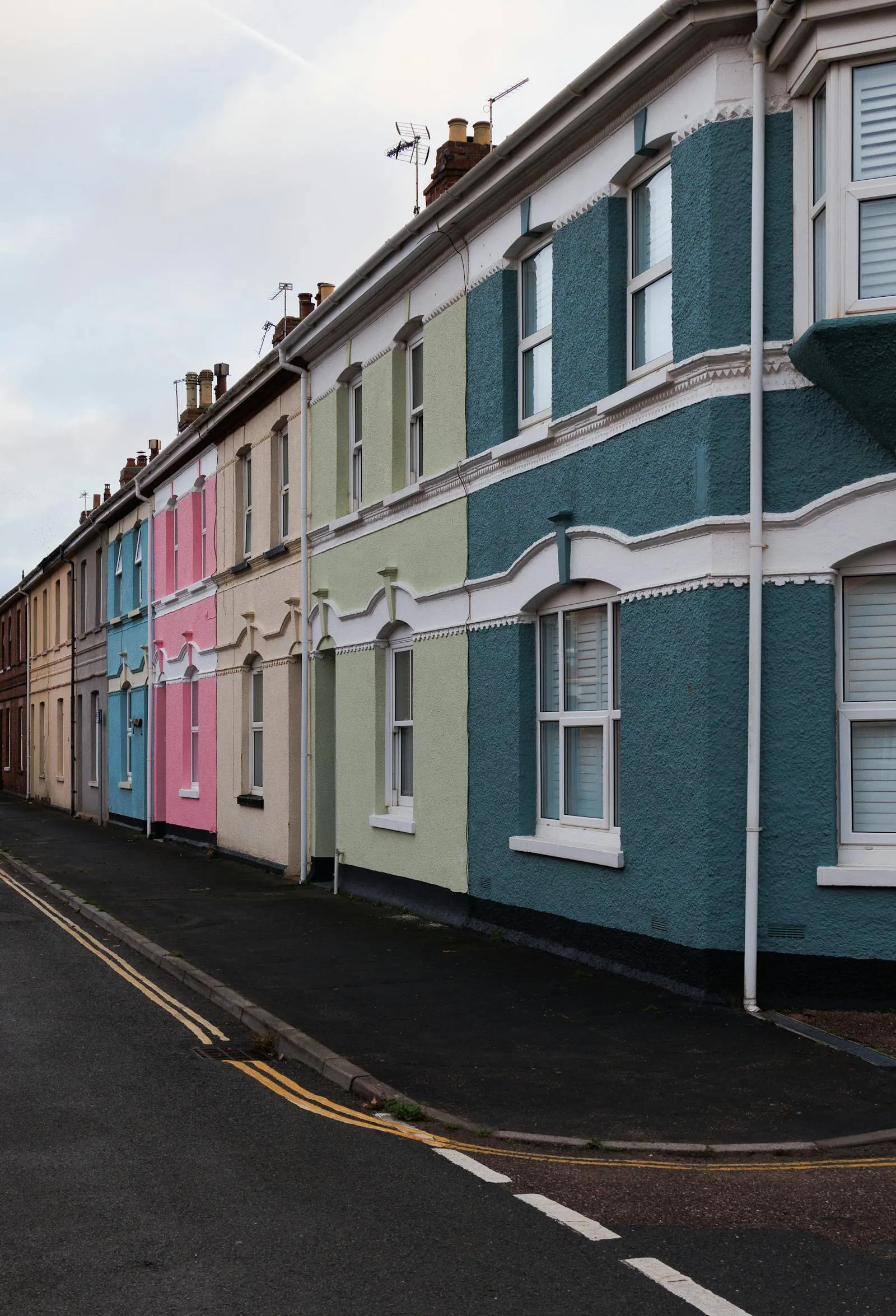
Yes, they work — with the right design
The idea that heat pumps only suit modern, airtight houses is out of date. Thousands of Victorian and older homes across the UK now run on them. What period homes need is a design that matches how they lose heat, not a unit picked from a brochure.
Bristol’s period homes come in three broad types, and each brings its own considerations.
Georgian and Regency stone townhouses
Where: Clifton, Hotwells, Kingsdown, parts of the old city.
How they’re built: solid walls of Bath stone or local Pennant sandstone, tall ceilings, large sash windows, often four or five storeys including a basement.
What it means for a heat pump:
- High heat loss. Tall rooms and big windows need a lot of heat. Expect a larger unit, often 10–14 kW, and generous radiators.
- Basements are an asset. Many of these houses have cellars or basements that make an ideal home for the cylinder and controls, keeping pipework short and hidden.
- Listing and conservation areas. Many are listed, and nearly all fall within the Clifton or Kingsdown conservation areas. Listed building consent is needed for the outdoor unit and new pipe routes through historic walls.
- Siting. Rear courtyards and lightwells often work well; the street front is almost never acceptable.
Victorian Pennant-stone and brick terraces
Where: Cotham, Redland, Totterdown, Easton, St Werburghs, Bishopston, Bedminster, Southville.
How they’re built: two or three storeys, solid walls (local Pennant stone in many inner-city streets, brick elsewhere), bay fronts, suspended timber ground floors, and back gardens that often slope steeply.
What it means for a heat pump:
- Heat loss is moderate. A typical three-bed terrace needs 6–9 kW at the design temperature.
- Radiators. At heat pump temperatures, three to five original radiators are usually too small, especially in front rooms with bay windows.
- Cylinder space. Many lost their cylinders to combi boilers. A 180–210 litre cylinder can often fit in the old airing cupboard or a reorganised bathroom cupboard.
- Steep gardens. A level concrete base on a slope, or a wall-mounted bracket, is common in Totterdown and Windmill Hill. It adds a little to the cost.
- Tight neighbours. The noise calculation at the neighbour’s window often decides where the unit goes.
Edwardian red-brick bay-fronts
Where: Bishopston, Horfield, Ashley Down, parts of Southville and Bedminster.
How they’re built: solid brick walls, but often slightly better built than earlier terraces, with larger rooms and front and back gardens.
What it means: among the easiest period homes to convert. More outdoor space, good access, and fewer heritage restrictions outside the conservation areas.
Common worries, answered
“My house is too draughty.” Draughts do increase heat loss. Sealing gaps around sash windows, suspended floorboards and unused chimneys is cheap and makes a real difference. It also lets the installer specify a smaller unit.
“I can’t insulate the walls.” You don’t have to. Solid-wall insulation helps but is expensive, and in conservation areas external insulation is rarely acceptable. Most heat pumps in Bristol’s period homes are designed around uninsulated solid walls, with larger radiators doing the extra work.
“Will the house feel cold?” Not if the system is sized from a proper room-by-room heat loss calculation. Heat pumps keep a steady temperature rather than blasting heat, which many owners of draughty old houses find more comfortable.
“Isn’t damp a risk?” Old stone and brick walls need to breathe. A heat pump doesn’t change that. Steady background warmth tends to help keep walls dry. Avoid sealing walls with non-breathable materials, and use lime-based plasters and paints where repairs are needed.
Hard water in older pipework
Bristol Water’s supply is moderately hard to very hard because it comes from limestone. Older homes often have scaled-up pipework and radiators. Your installer should power-flush or clean the system, fit a magnetic filter, and specify a cylinder with a heat pump-rated coil. A scale reducer on the incoming main protects the cylinder over time.
What to ask your installer
- Will you do a room-by-room heat loss calculation, accounting for solid walls and tall ceilings?
- What flow temperature are you designing for? (Aim for 50°C or lower.)
- Which radiators need replacing, and with what?
- Where will the cylinder go?
- Does the house need planning permission or listed building consent?
- How will you protect the system from Bristol’s hard water?
See also: planning permission in Bristol and insulation before a heat pump.
See what a heat pump would look like in your Bristol home
The mechanism is the same in every UK home; the design is specific to yours. Our team carries out a free in-home survey including a full room-by-room heat-loss calculation, identifies the system size and configuration that fits your property, and provides a written quote with the £7,500 BUS grant already deducted.
You'll see the actual figure you'd pay — not an estimate — and the projected efficiency for your specific install.