Air Source Heat Pumps for Bristol Homes
Plain advice on installing, running and looking after a heat pump in Bristol, South Gloucestershire and North Somerset — from Georgian terraces in Clifton to 1930s semis in Westbury-on-Trym — and a simple way to get a quote with the £7,500 grant taken off.
Last reviewed: 2 October 2026
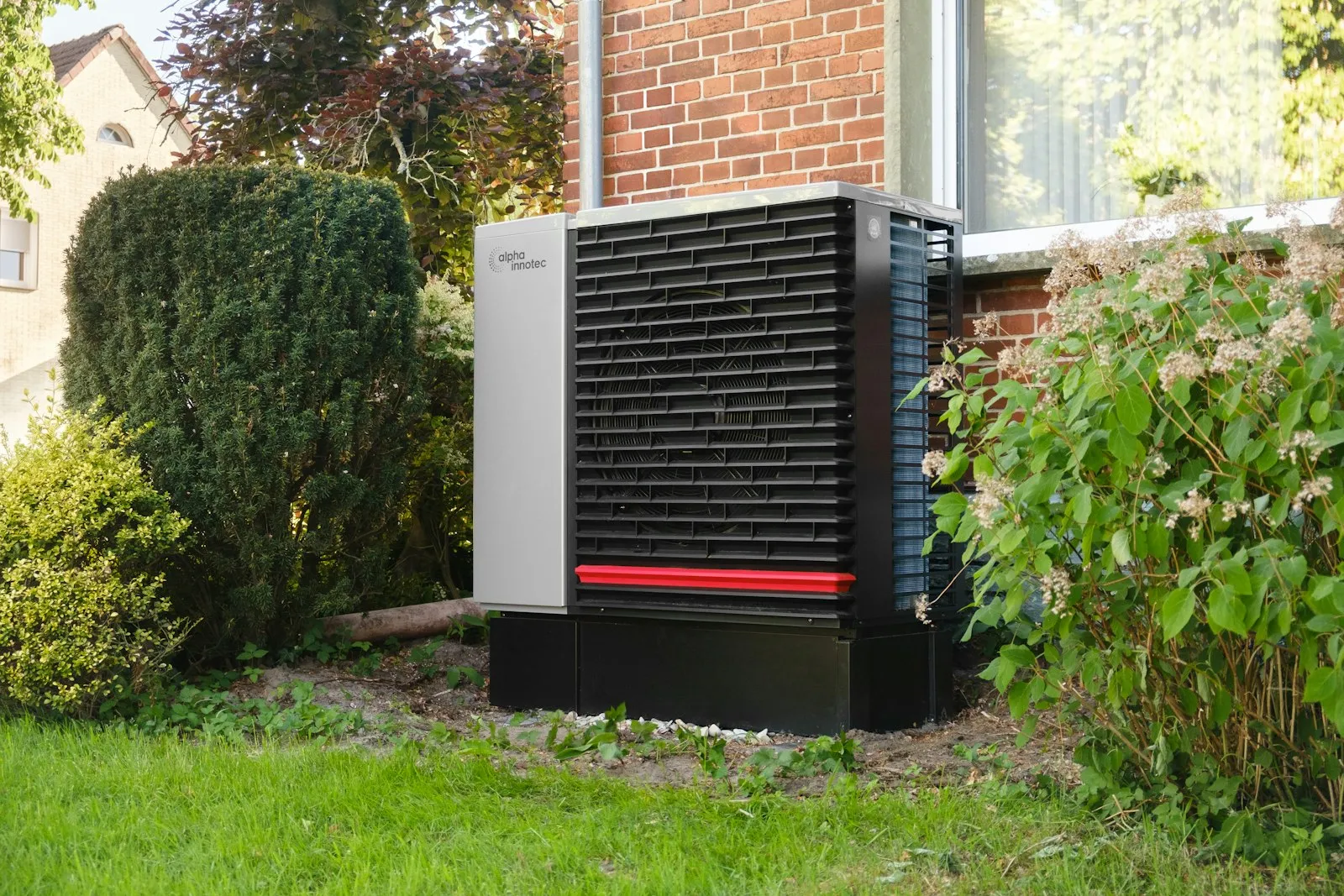
Heat pumps in Bristol: the key facts
-
£7,500 off the price
through the Boiler Upgrade Scheme for most Bristol homeowners and landlords, with no means test. Homes replacing oil or LPG get £9,000 until March 2027.
Source: gov.uk Boiler Upgrade Scheme
-
Around 33 frost days a year
at Filton, on the city's northern edge. Bristol's mild winters let a heat pump run efficiently through most of the heating season.
Source: Met Office 1991–2020 averages
-
3–4 units of heat per unit of electricity
is what a well-designed heat pump delivers across a Bristol winter, measured as its seasonal coefficient of performance.
Source: Energy Saving Trust
-
23 local guides
on costs, grants, planning, period homes and running costs, written for Bristol homes.
Source: Browse the guides →
Installation, servicing and repair
Whether you're replacing a boiler, keeping an existing heat pump in good shape or dealing with a fault, start with the page that fits. Each one is written around Bristol's housing, water and climate. When you're ready, send us an enquiry.
-
Installation
Replacing a gas, oil or electric system with an air source heat pump: survey, room-by-room design, three to five days on site, and the £7,500 grant handled by the installer.
-
Servicing
A yearly check of the coil, filter, refrigerant readings, cylinder and controls. Most manufacturers require it for the extended warranty, and Bristol's hard water makes the cylinder check worthwhile.
-
Maintenance
Simple things you can do yourself between services, and an honest look at whether a maintenance plan is better value than paying per visit.
-
Repair
Checks to try first, the faults that come up most in Bristol homes, and typical costs for diagnosis and parts.
Why heat pumps suit Bristol
A heat pump moves heat from outside air into your home, delivering three to four units of heat for every unit of electricity. It works best when the air outside isn't too cold, and Bristol is one of the mildest big cities in England: Filton averages a January overnight low of about 2.4°C and only around 33 frost days a year.
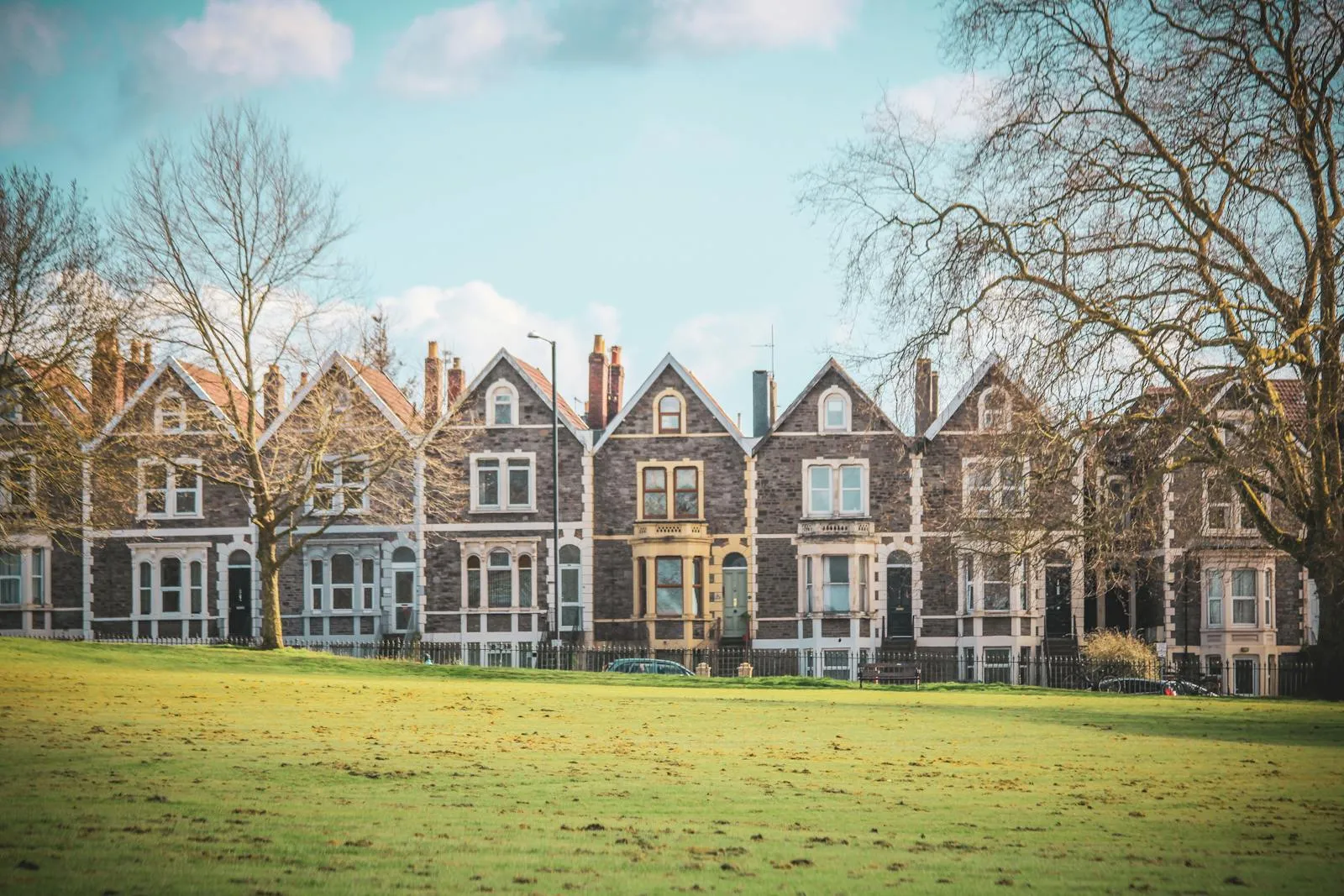
The city's homes are more of a challenge than its climate. Much of Bristol was built before 1920 in Bath stone, Pennant sandstone or solid brick, often on steep streets and inside conservation areas. These homes convert well, but they need a careful design: a proper heat loss survey, larger radiators where rooms need them, a hot water cylinder, and a unit position that passes the noise test and stays off walls facing the road.
Bristol's hard, limestone-fed water is the other local factor. A cylinder with a heat pump-rated coil, and a scale reducer where limescale is already a problem, keeps hot water efficient for years.
Areas across Bristol
Our area guides cover eight parts of the city and its surroundings: six in Bristol City Council's area, Thornbury in South Gloucestershire and Long Ashton in North Somerset. Each explains the local housing, conservation areas and what they mean for a heat pump.
-
Clifton
Georgian and Regency stone townhouses, many listed, inside a conservation area designated in 1972. Rear courtyards and basements often solve siting and cylinder space.
Heat pumps in Clifton → -
Redland
Late Victorian and Edwardian villas on tree-lined streets in the Cotham and Redland conservation area. Larger gardens make unit siting easier than in the inner city.
Heat pumps in Redland → -
Cotham
Close-packed Victorian streets of Pennant stone, sharing a conservation area with Redland. Heritage rules and tight rear spaces shape most designs.
Heat pumps in Cotham → -
Westbury-on-Trym
A medieval village core surrounded by interwar and post-war semis — some of the most straightforward conversions in the city.
Heat pumps in Westbury-on-Trym → -
Sneyd Park
Large detached villas near the Downs with generous plots. Bigger heat loss, but plenty of room for the outdoor unit.
Heat pumps in Sneyd Park → -
Bedminster
Red-brick Victorian terraces and 1930s housing south of the river, where radiator sizing and cylinder space are the usual design questions.
Heat pumps in Bedminster → -
Thornbury
A South Gloucestershire market town with a historic core and modern estates, plus some off-gas homes on its edges.
Heat pumps in Thornbury → -
Long Ashton
A North Somerset village with two conservation areas, period villas in Leigh Woods, and some homes off the gas grid.
Heat pumps in Long Ashton →
Guides for Bristol homeowners
Twenty-three guides covering the questions people ask before, during and after getting a heat pump, with Bristol's prices, councils, climate and housing worked in.
-
What a heat pump costs in Bristol, house type by house type
Price bands from flats to Clifton townhouses, and what drives the number.
-
The £7,500 grant — questions Bristol homeowners ask
Who gets it, what changed in April 2026, and the free alternative for low incomes.
-
Planning permission in Bristol
Permitted development, the 33 conservation areas and listed homes.
-
Heat pumps in Victorian and Georgian homes
Stone and solid-brick period houses, steep gardens and hard water.
-
Running costs at autumn 2026 prices
Four Bristol homes compared with gas, on standard and heat pump tariffs.
-
Do heat pumps work in Bristol winters?
Efficiency in the cold, defrost cycles, and why damp matters more than frost.
From survey to switch-on
Most Bristol homes go from first survey to a working heat pump in six to ten weeks, with three to five days of work on site.
- Survey: every room measured and the heat loss calculated
- Design and written quote, with the £7,500 grant shown
- Planning or listed building consent, if your home needs it
- Grant application by your installer, confirmed by you
- Installation: three to five days on site
- Commissioning, MCS certificate and handover
The installation page explains each stage.
Questions Bristol homeowners ask
What does a heat pump cost in Bristol?
Most Bristol installations cost £8,000–£14,000 before the grant. After the £7,500 Boiler Upgrade Scheme grant, most households pay £500–£6,500. Solid-walled stone townhouses with several radiator upgrades cost more; newer, well-insulated homes cost less. Our cost guide breaks it down by house type.
Can a heat pump heat an old stone or brick house?
Yes. Bristol's Georgian and Victorian homes convert well when the system is designed from a room-by-room heat loss survey with suitably sized radiators. Draught-proofing and loft insulation help; solid-wall insulation isn't required.
Who can claim the £7,500 grant?
Owner-occupiers and private landlords in England and Wales replacing fossil-fuel or electric heating, using an MCS-certified installer. There's no income test and, since April 2026, no EPC requirement. Homes replacing oil or LPG get £9,000 on applications until 31 March 2027.
Will I need planning permission?
Usually not. A heat pump is normally permitted development. You'll need permission if your home is listed, or if it's in one of Bristol's 33 conservation areas and the unit would go on a wall facing the road.
What happens when I send an enquiry?
Your enquiry goes to one local heat pump installer from our network, who will be in touch about a survey. It isn't sent to a list of companies.
Is there free help for lower-income households?
Yes. The Warm Homes: Local Grant can pay for insulation and low-carbon heating for low-income households in privately owned homes rated EPC D to G. In Bristol it's delivered through Bristol City Leap's Bright Green Homes project.
Get a quote — Bristol heat pump installation
Tell us a little about your home and we'll pass your enquiry to a local installer from our network.